
The sand
Vineyards on the marine sands of Vittoria
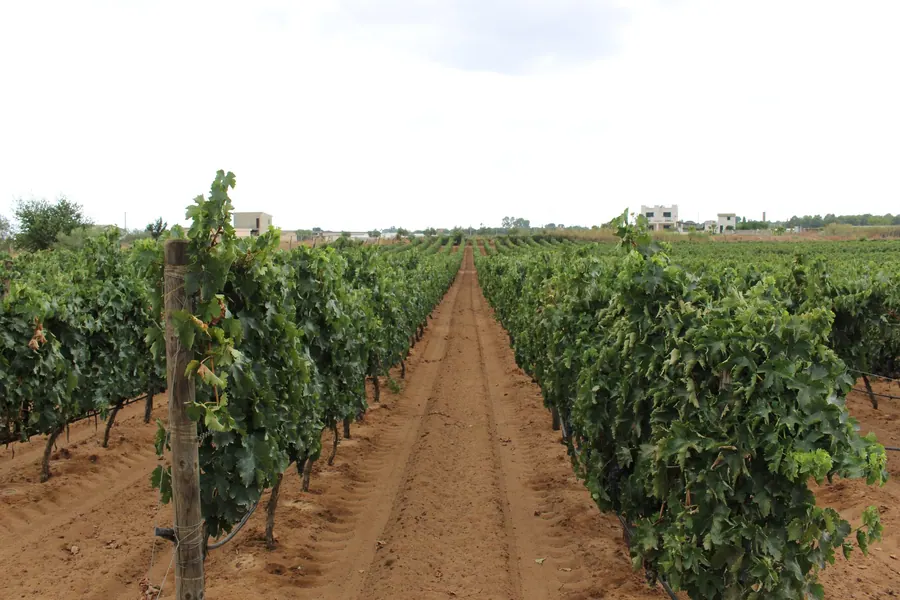
Ten kilometres from the sea, in contrada Salmè in Vittoria, my vines grow on sands of marine origin. They are the result of a geological history far older than ours: what was once by the sea has become a landscape of cultivated dunes. The summer sun heats the ground, the wind blows through the rows and the temperature changes markedly between day and night. Here, at about 189 metres above sea level, every decision in the vineyard has to reckon with the sand.
Not far from here lie the remains of Kamarina, the ancient Greek city. I like to think of how many generations crossed this countryside before us. What I know best is the landscape of today: the light, the wind, the sand in your hands and the responsibility of looking after it while still working it.

The vineyards
Three grape varieties
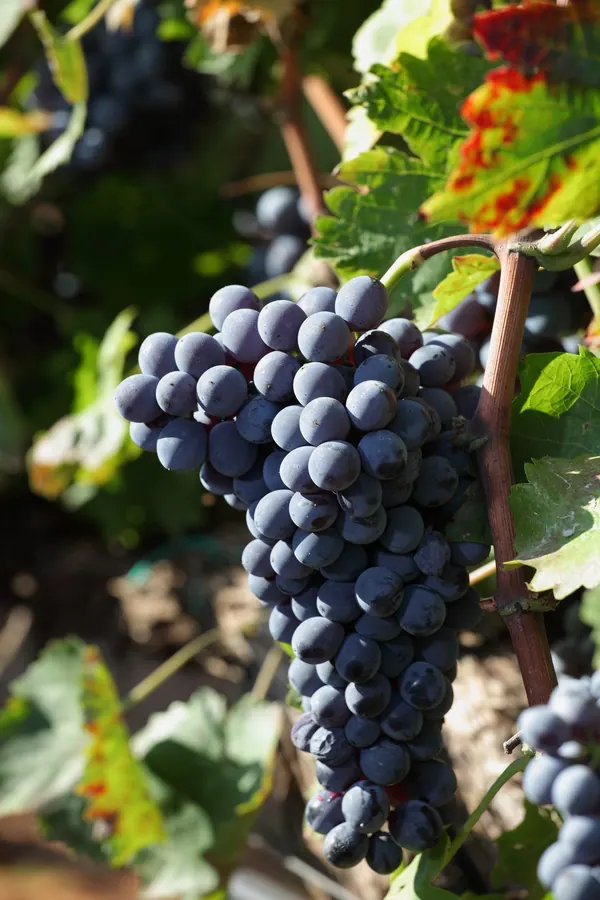
Frappato is the most immediate voice of Vittoria: delicate aromas, red fruit and a freshness I love. Nero d’Avola brings depth and structure; here I try to bring out its lighter, nimbler side too. Grillo, which I use for Blues, adds a different register: white, savoury and Mediterranean. They are three ways of reading the same land, with no need to look for varieties elsewhere.
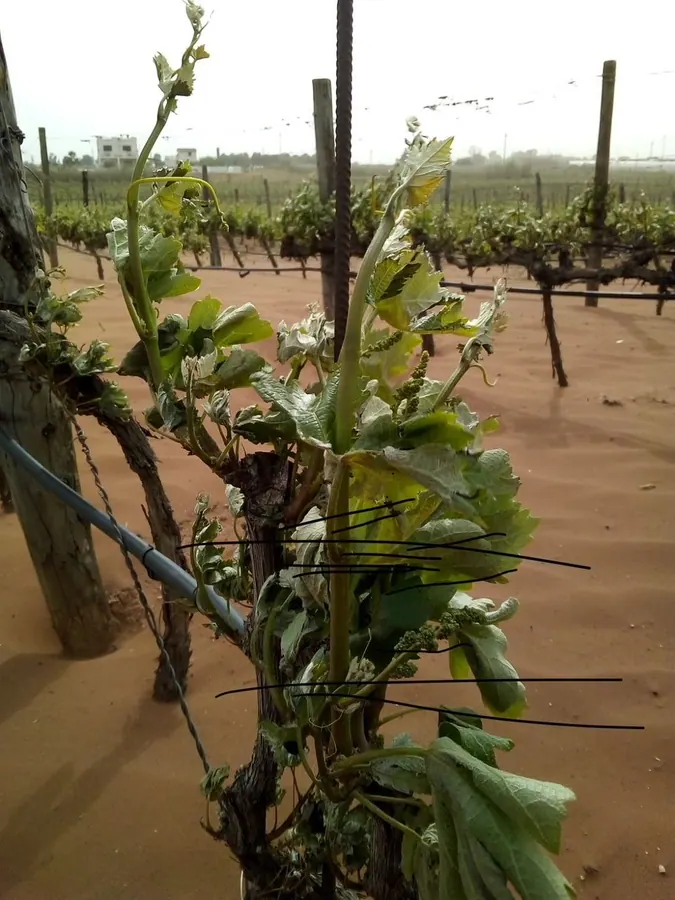
Sand is light, drains quickly and makes us follow the growth of the plants closely. That is why much of our work comes from observation: we walk the rows, step in when needed and choose the grapes at harvest time, without relying on a number alone.
The vineyards
Three soils, three crus
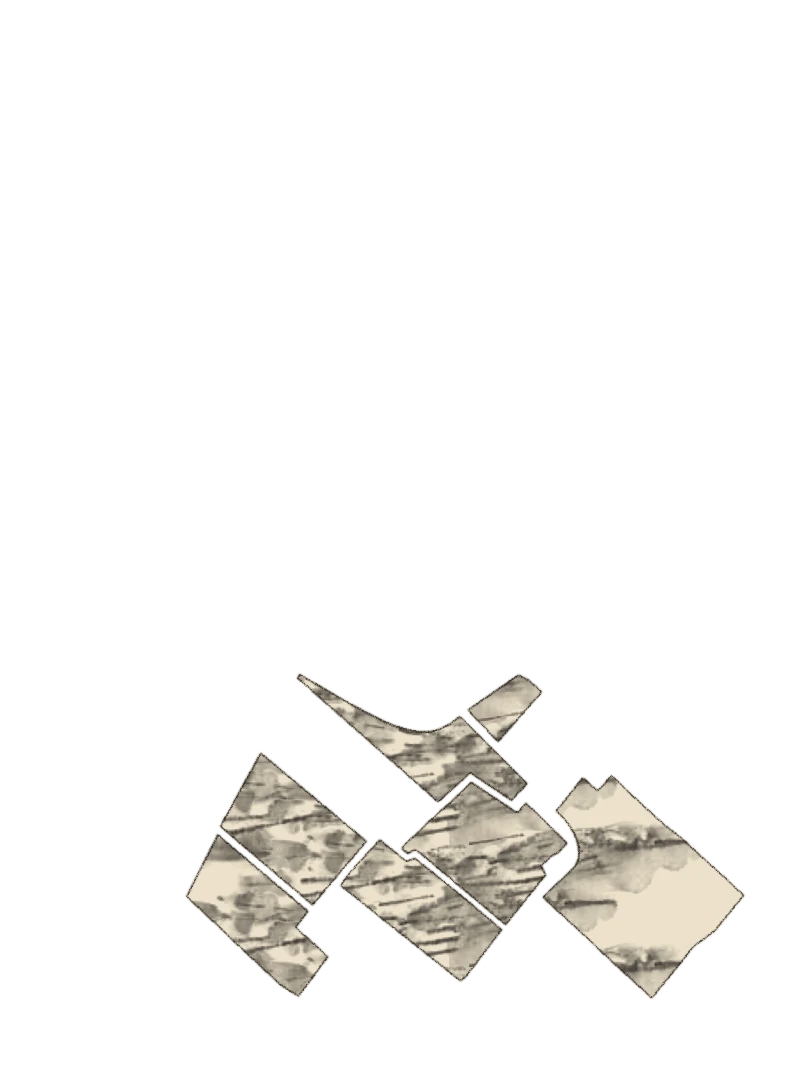
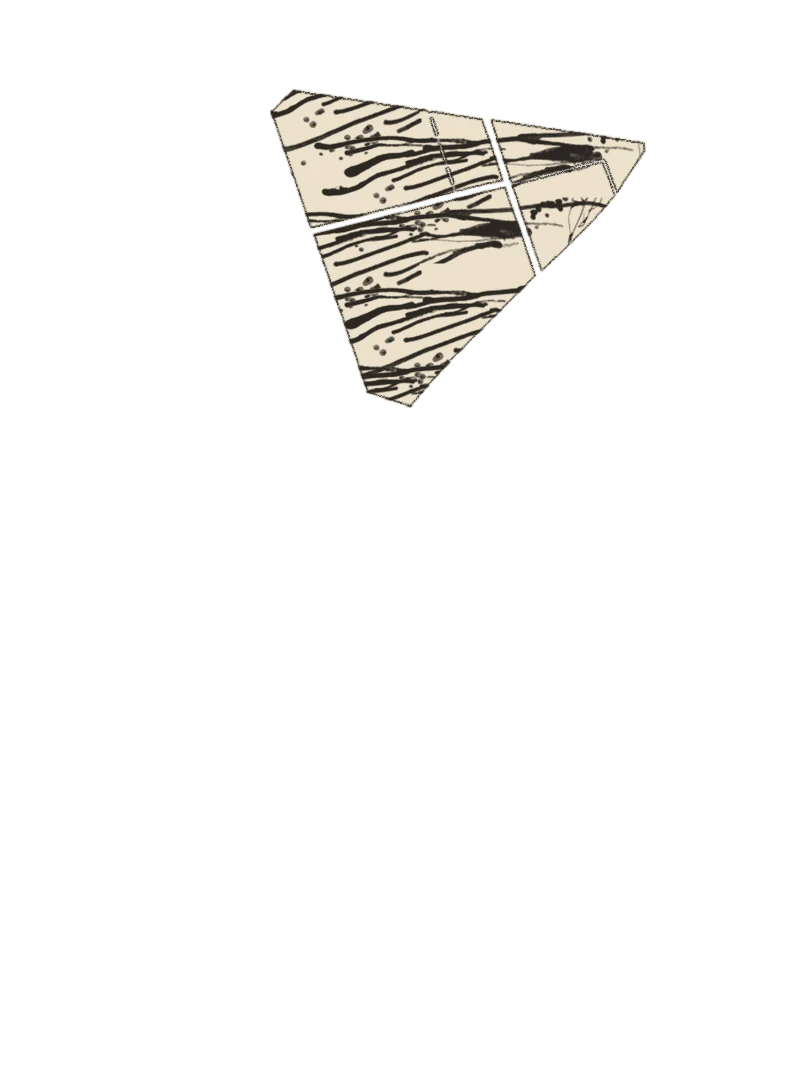
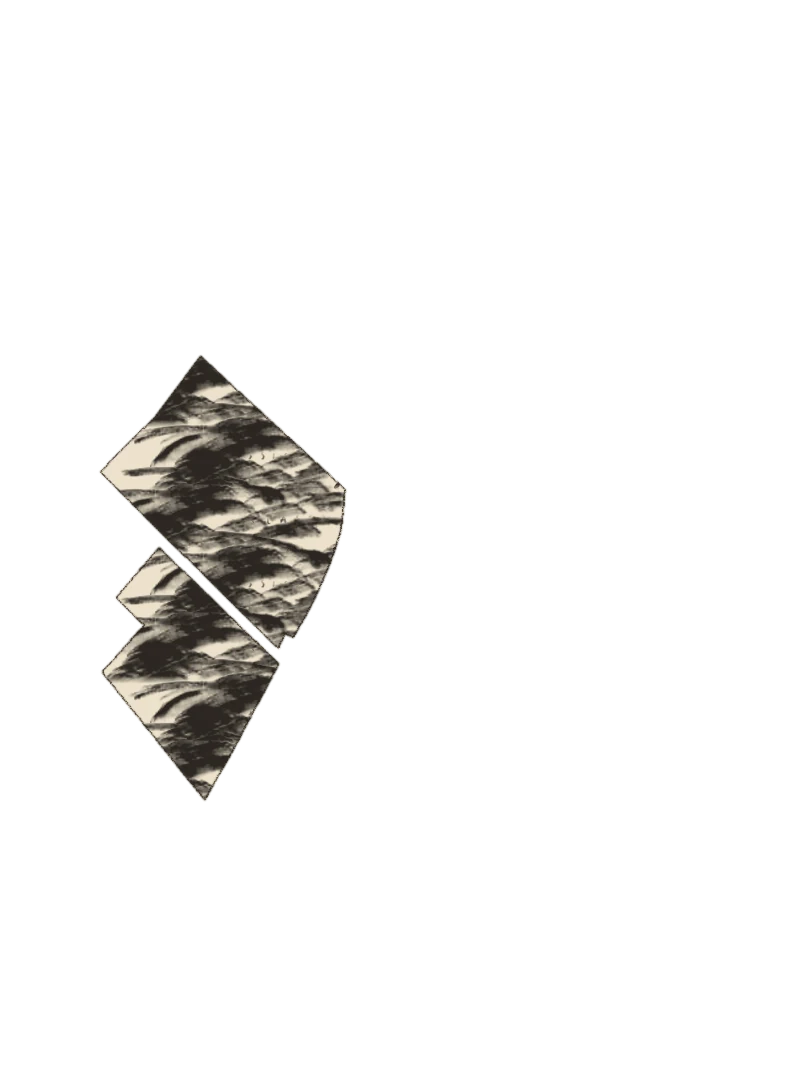
For years I thought the most important thing was to say “vineyards on the sand”. Then I realised I had to look even more closely. At Pruvuletta sand dominates; at Forfice clay appears; at Niscia limestone joins in. These aren’t three slogans but three soils we work with every day, and they led me to vinify a few small plots separately.
In the plots I set aside for the crus, Frappato and Nero d’Avola grow side by side. I pick them and vinify them together, letting the place guide the interpretation. Pruvuletta, Forfice and Niscia are three Cerasuolo di Vittoria Classico wines: they start from the same idea, but they don’t want to have the same voice. The difference lies in the vineyard, even before the cellar.
Pruvuletta
The purest sand, the sand of the dunes.
Forfice
Here the sand meets clay.
Niscia
Here the marine sand lives alongside limestone.
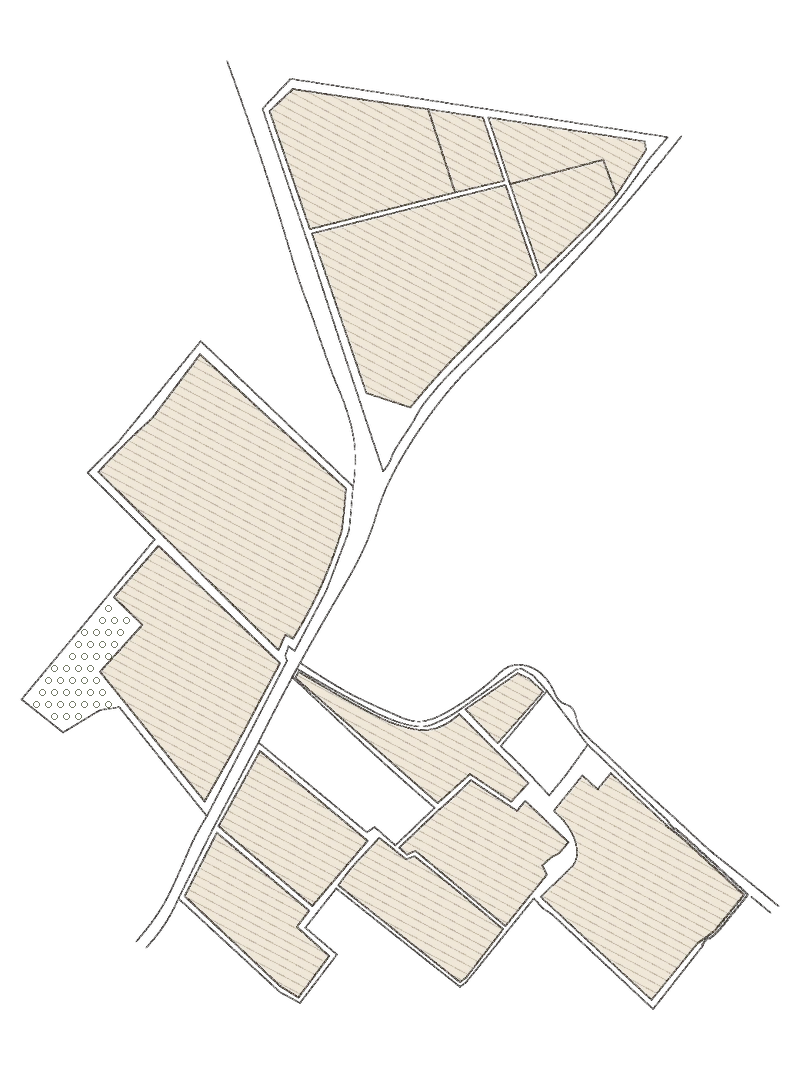 PruvulettaForficeNisciaolive grove
- Contrada Salmè
Vittoria - 189 m
above sea level - 10 km
from the coast - Trellised
vines
Gallery