Manene
Cerasuolo di Vittoria DOCG Classico
My first wine, the one where it all began. Its name comes from my son, Emanuele.
In my work I look for something simple to say and hard to achieve: wines you can recognise by the place they come from. The family includes the Cerasuolo di Vittoria DOCG Classico wines, the reds from Frappato and Nero d’Avola, Blues from Grillo, and two pink interpretations of Frappato, Osa! and Mood. Each follows its own path, but they all come from the marine sands of Vittoria.
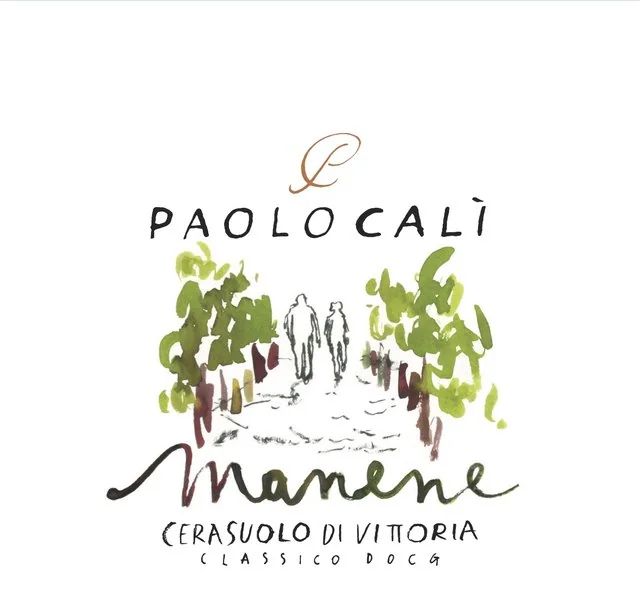
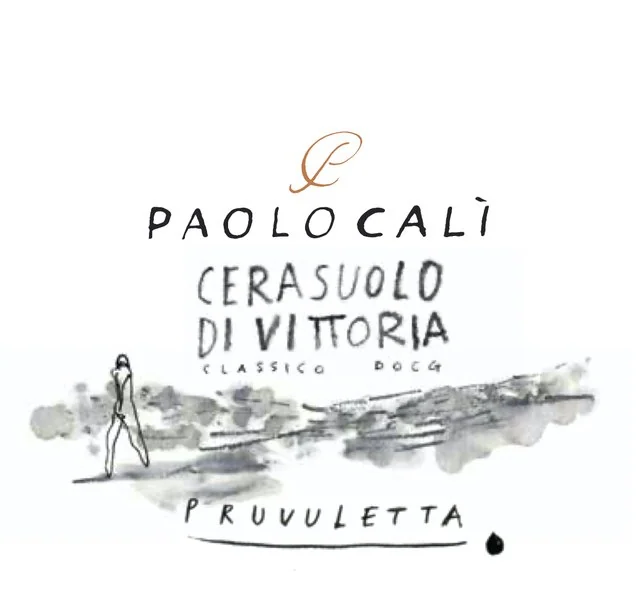
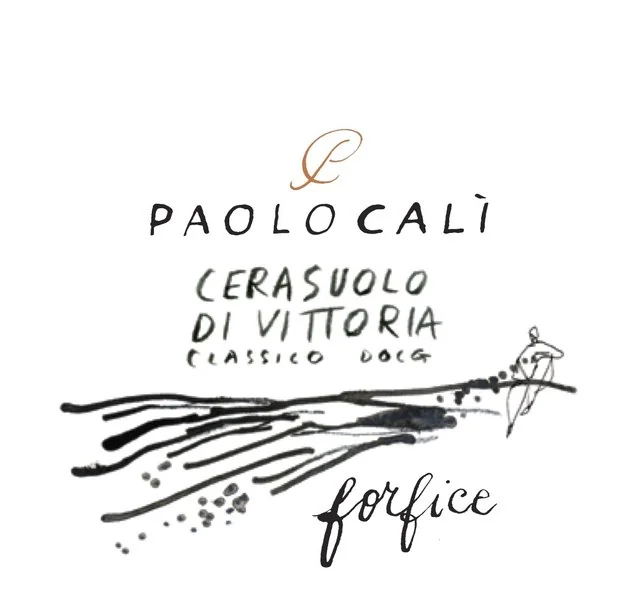
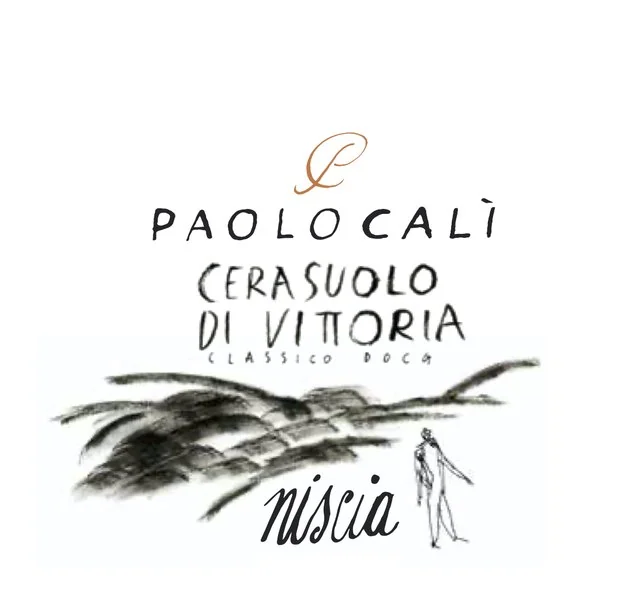
Cerasuolo di Vittoria Classico DOCG is the wine of my land, made from Nero d’Avola and Frappato. I interpret it with Manene and with three vineyard selections, Pruvuletta, Forfice and Niscia: four wines to get to know the same appellation up close.
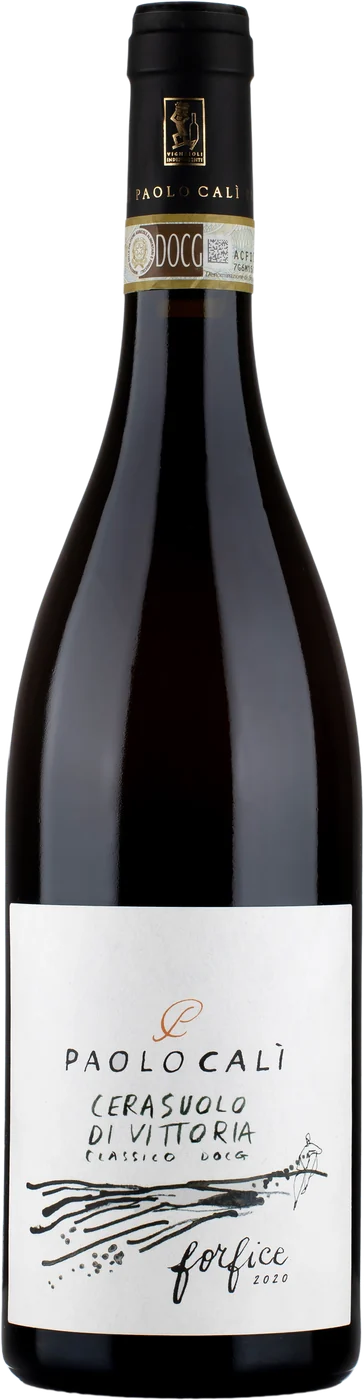
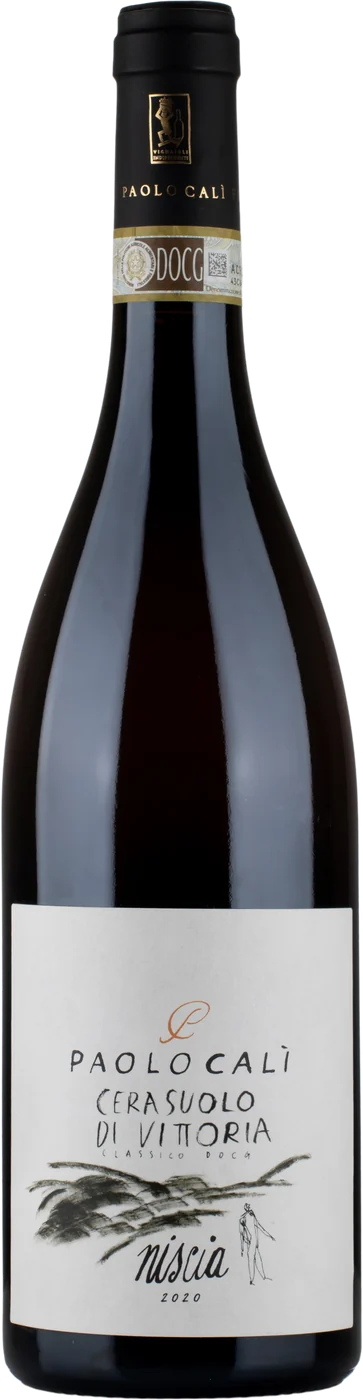
Pruvuletta, Forfice and Niscia are three small selected plots: three soil compositions, three characters. They are the wines through which I try to let one precise piece of vineyard speak.
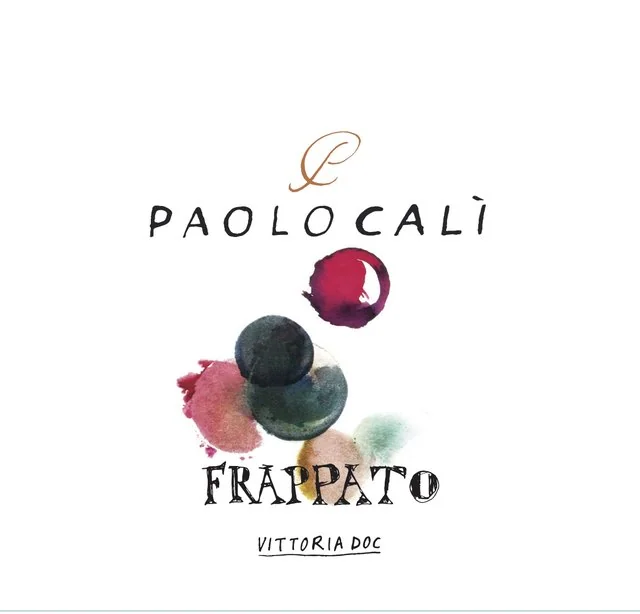
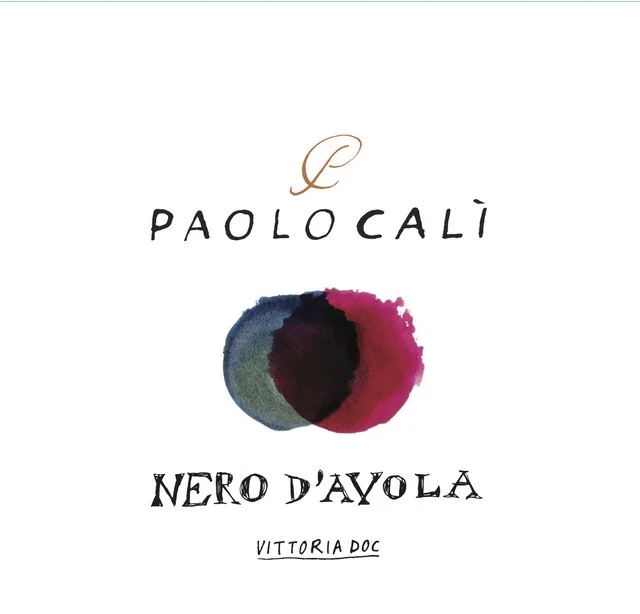
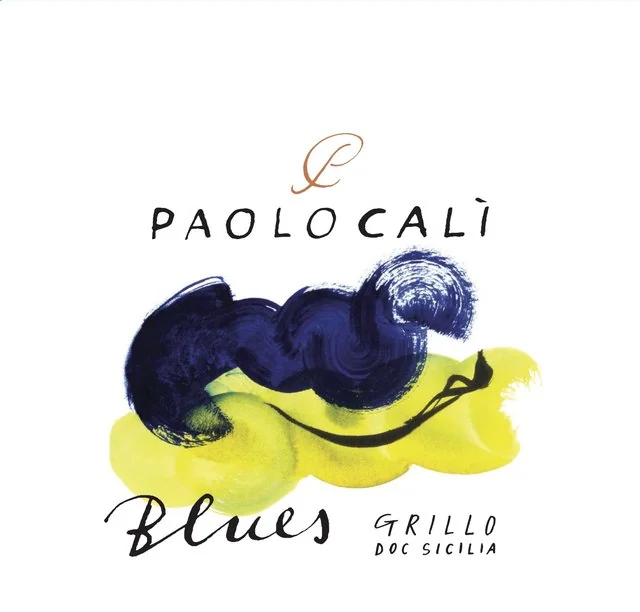
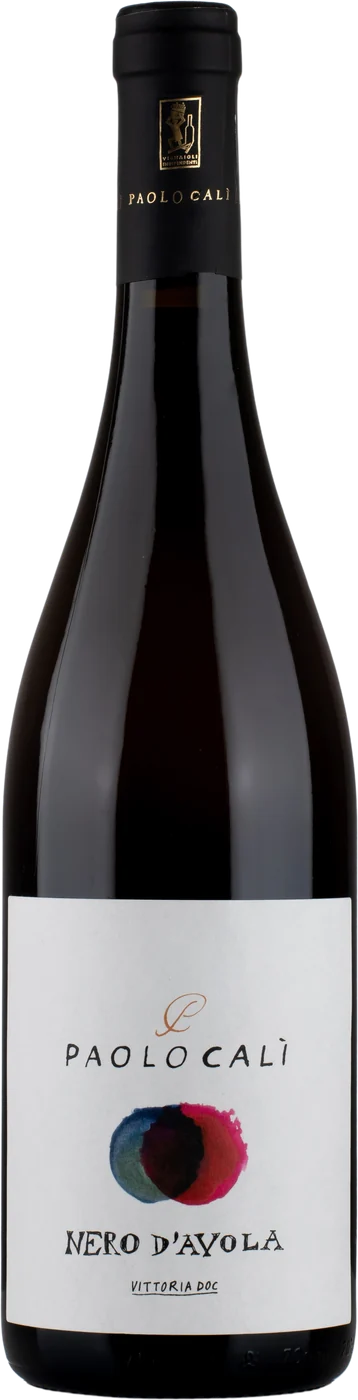
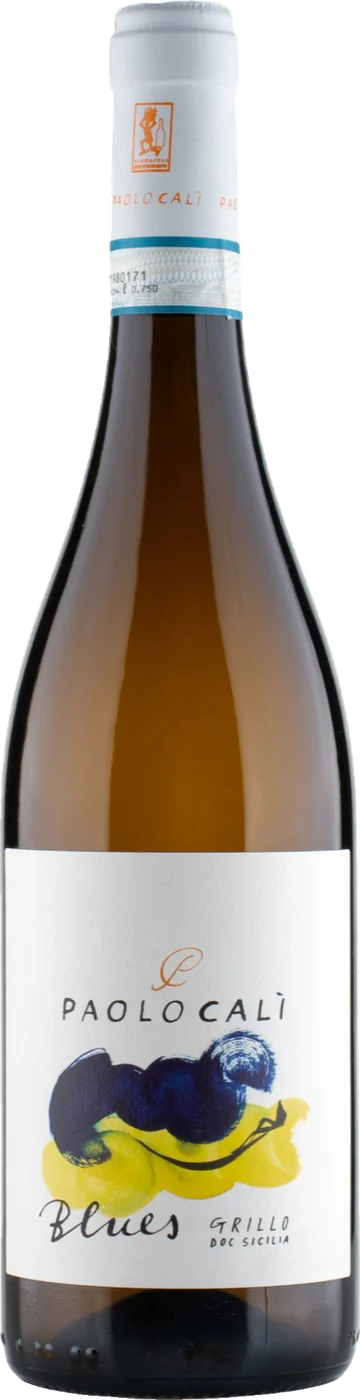
Frappato and Nero d’Avola, both under the Vittoria DOC appellation, each tell the story of one variety. Blues, instead, comes from Grillo, my only white grape.
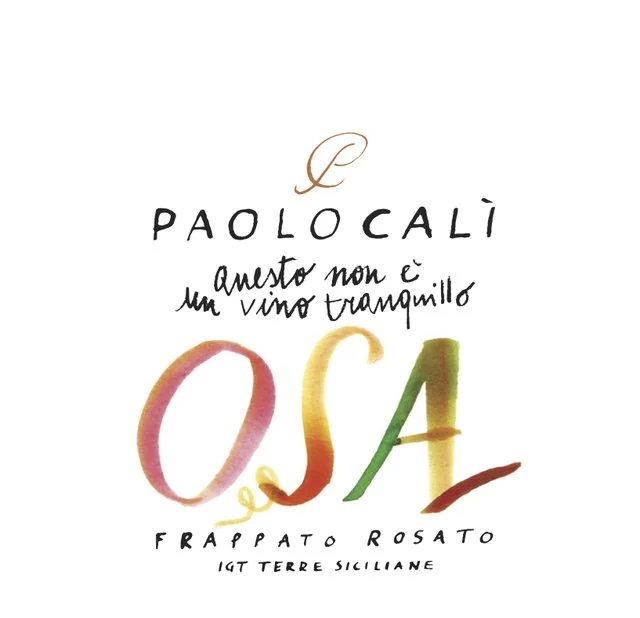
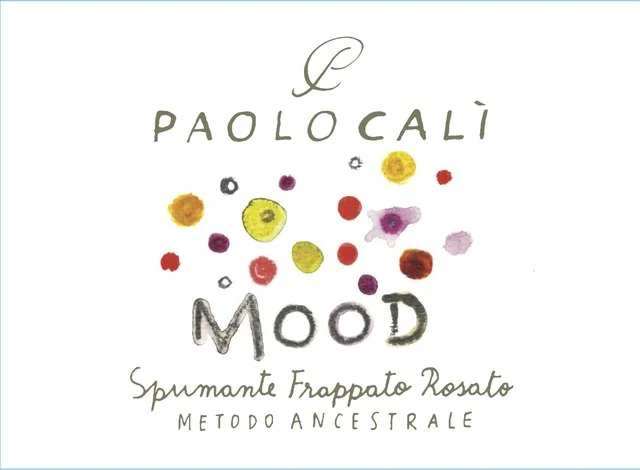
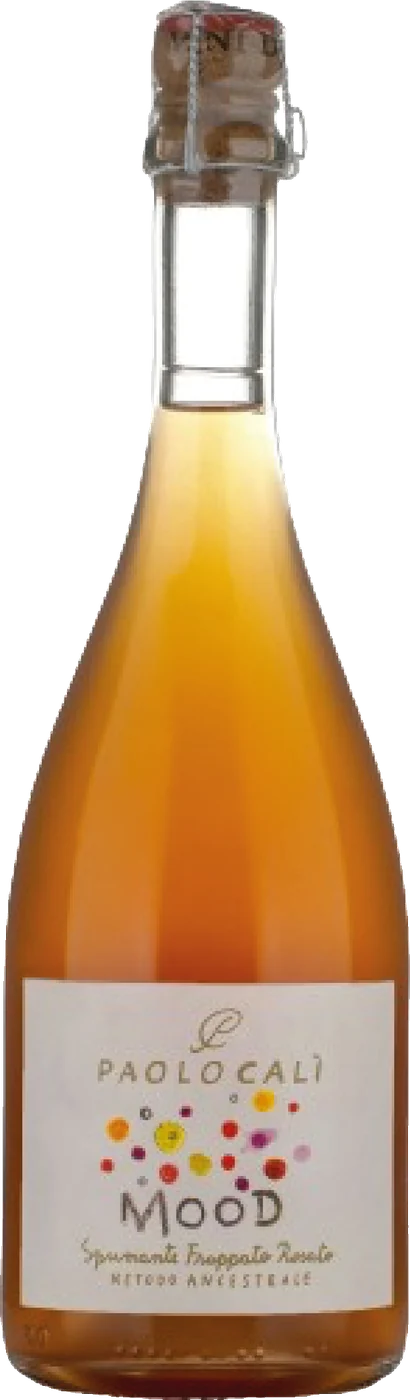
Osa! and Mood both come from Frappato, but they take different paths: the first is a gently lively rosé, the second a sparkling rosé made with the ancestral method.
With Jazz I allow myself a little freedom: Frappato and Nero d’Avola talk to each other without having to follow the structure of a Cerasuolo.
Cerasuolo di Vittoria is the wine that best tells the story of the meeting between the two historic grapes of this area: Nero d’Avola and Frappato. It became a DOC in 1973 and a DOCG in 2005, and it is still the only DOCG in Sicily. The production rules allow 50 to 70% Nero d’Avola and 30 to 50% Frappato. The word “Classico” identifies wines from the historic production area, where my vineyards in Vittoria also lie. The name recalls the red of cherries, “cerasa” in the local dialect.
Nero d’Avola gives structure, depth and substance. Frappato brings aromas, tension and lift. Neither of them, on its own, explains Cerasuolo: what interests me is how they come together. In Vittoria, on the sands of Salmè, I can look for a different balance between these two souls every year.
It isn’t a judgement on the style of the wine. “Classico” is a geographical term: it identifies Cerasuolo di Vittoria produced in its historic area, under the rules of the appellation. For me it also has a personal meaning, because that is the countryside where I grew up.
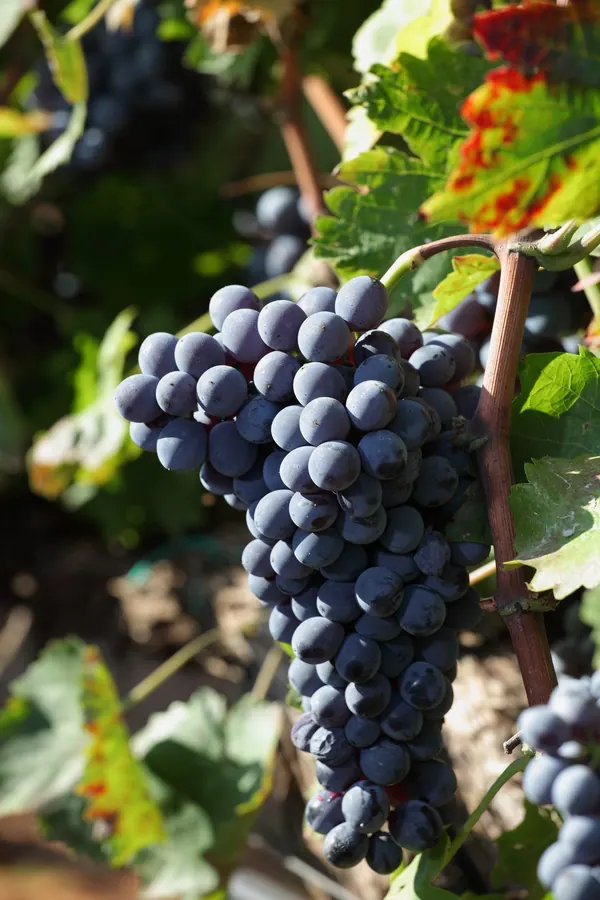
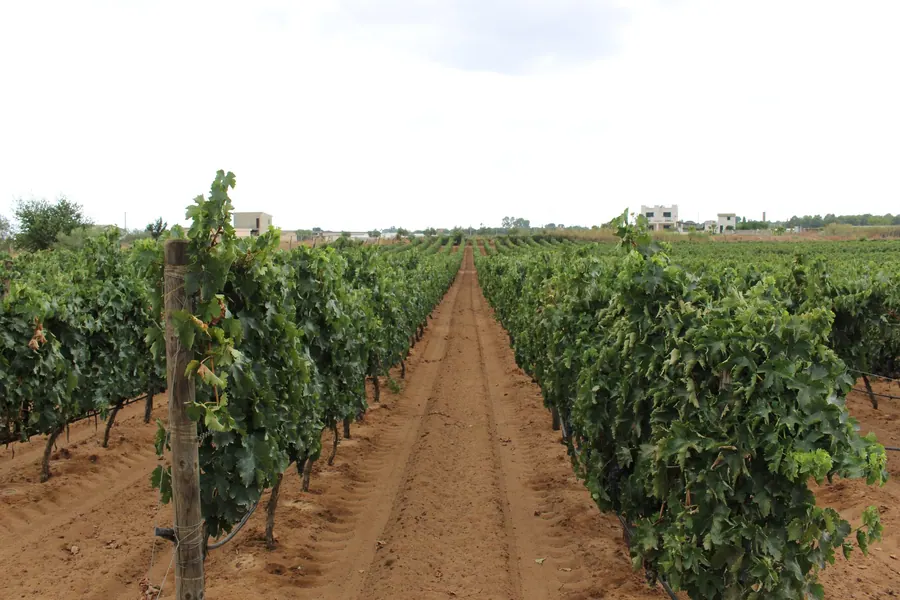
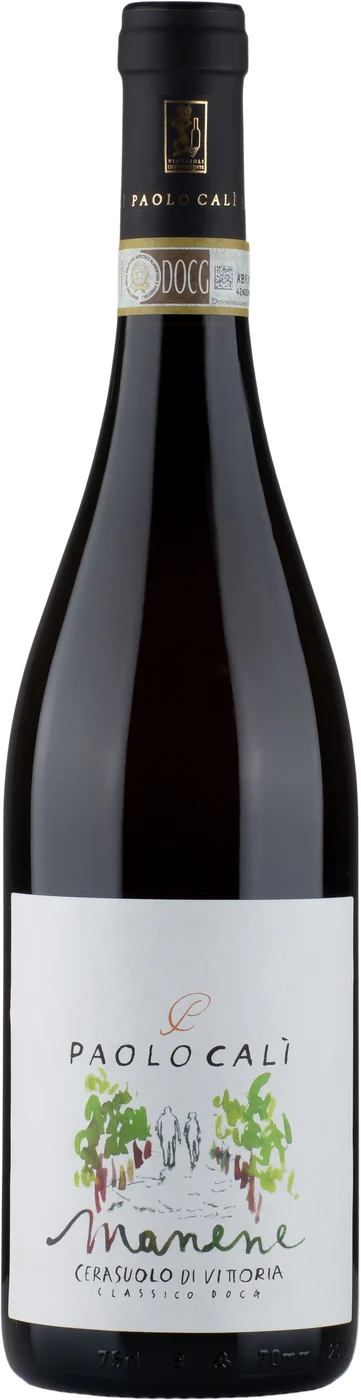
Manene was the first. When I started making wine, I wanted to give my Cerasuolo the nickname my son Emanuele used for himself as a little boy. It is a wine that carries the most personal side of the project. It is made from 60% Nero d’Avola and 40% Frappato: a Cerasuolo di Vittoria Classico that looks for harmony, fruit and drinkability without giving up depth.
With Pruvuletta, Forfice and Niscia I wanted to go beyond an overall reading of the appellation: three Cerasuolo di Vittoria Classico wines from three distinct plots. If Manene tells our story, the crus tell the story of the land in detail.
Cerasuolo di Vittoria DOCG Classico
My first wine, the one where it all began. Its name comes from my son, Emanuele.
Cerasuolo di Vittoria DOCG Classico
When I talk about a cru, I don’t think of a label first. I think of a piece of vineyard I know, of the rows we walk along and of the sand that changes under our feet. I decided to keep the grapes of three small plots separate because I wanted to understand how much of the difference between their soils you could recognise in the glass. Pruvuletta, Forfice and Niscia were born of that curiosity.
In these plots Frappato and Nero d’Avola grow together, in equal proportions, and are picked and vinified together. Selection starts in the vineyard, with low yields and close attention to the bunches. In some vinifications the maceration on the skins is very long; for ageing I have also experimented with amphorae made of cocciopesto (terracotta and lime) and with wood. The exact choices depend on the wine and the vintage, and they are given in each technical sheet.
Pruvuletta, Forfice and Niscia make sense even when tasted on their own. But when I put them on the table together, the question becomes more interesting: how much can a single vineyard tell? That comparison is where the idea of presenting them as a family came from.
Cerasuolo di Vittoria DOCG Classico · cru
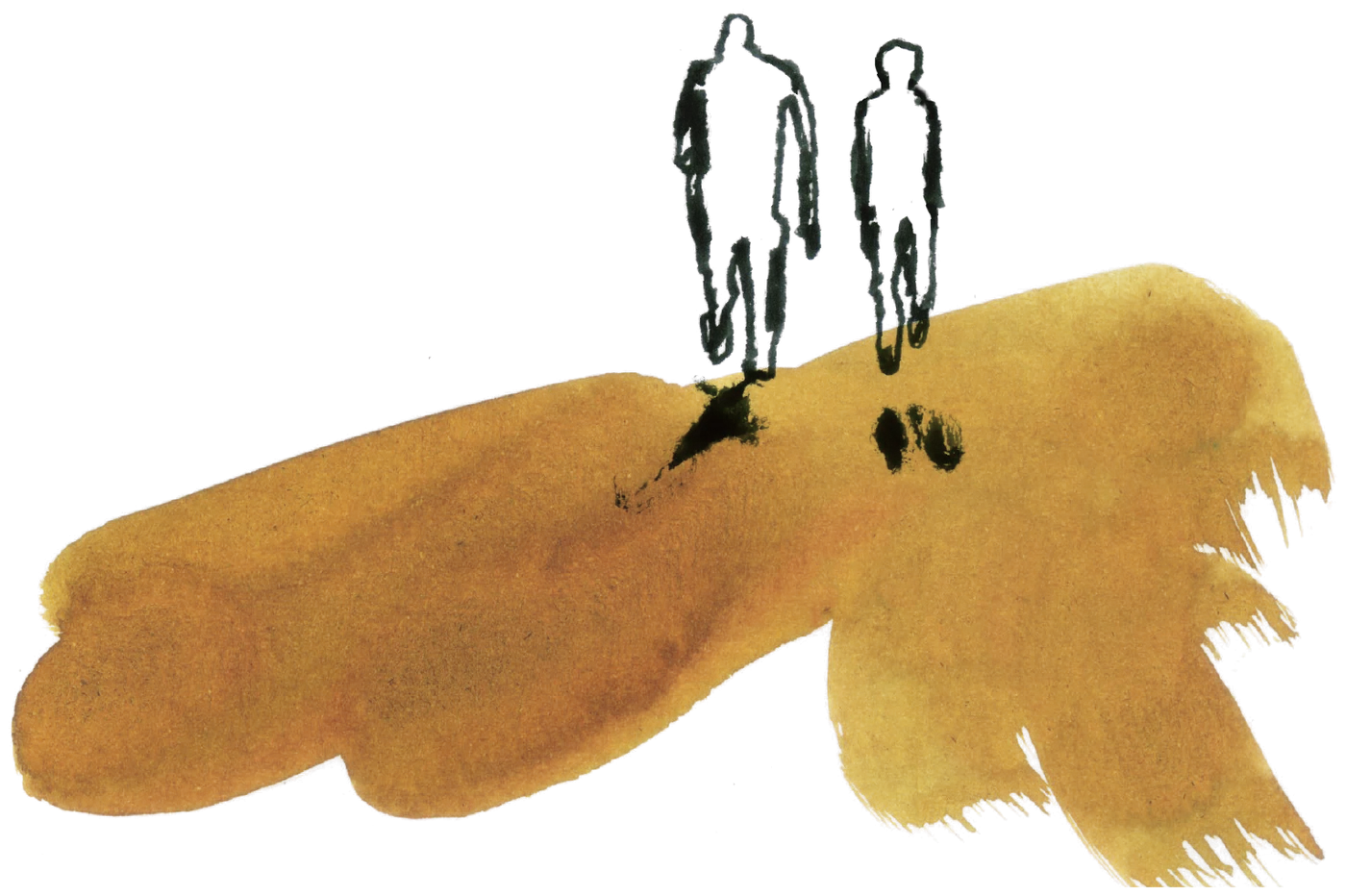
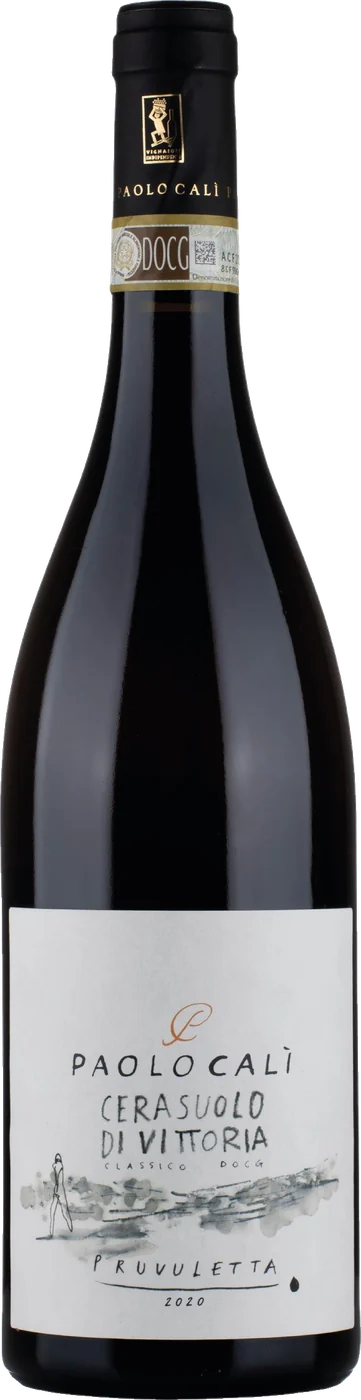
Pruvuletta is where I started. My first vineyard, planted in 2001, has its roots in the purest sand of the marine dunes. In this Cerasuolo di Vittoria Classico I try not to lose the subtle but firm voice of that sand. It is the wine that reminds me, every time, of how this adventure began. On the label, a hazy landscape and a figure crossing the dune.
The three crus
I also like to vinify Frappato and Nero d’Avola separately. Cerasuolo tells the story of their meeting; the single-variety wines let you listen to each of them more closely. With Blues, my Grillo, the story moves to the white side of Sicily.
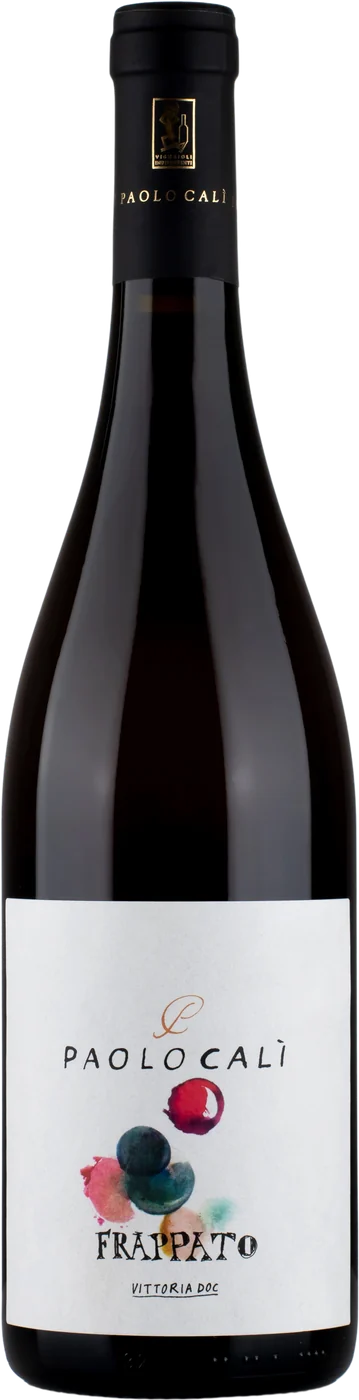
Vittoria DOC
Frappato is the variety I feel closest to. It is deeply tied to Vittoria and has a way all its own of making itself known: aroma before colour, finesse before power. In my Vittoria DOC Frappato I look for red fruit, freshness and a lightness that doesn’t mean simplicity. On the label the grapes turn into an imaginary flower.
Single variety
The Frappato of Vittoria made me want to experiment with pink too. It is a grape capable of delicate aromas and great freshness: why not try to carry those qualities into a rosé? That question gave birth first to Osa! and then to Mood. Two different wines, sharing Frappato and the wish to enjoy the moment.
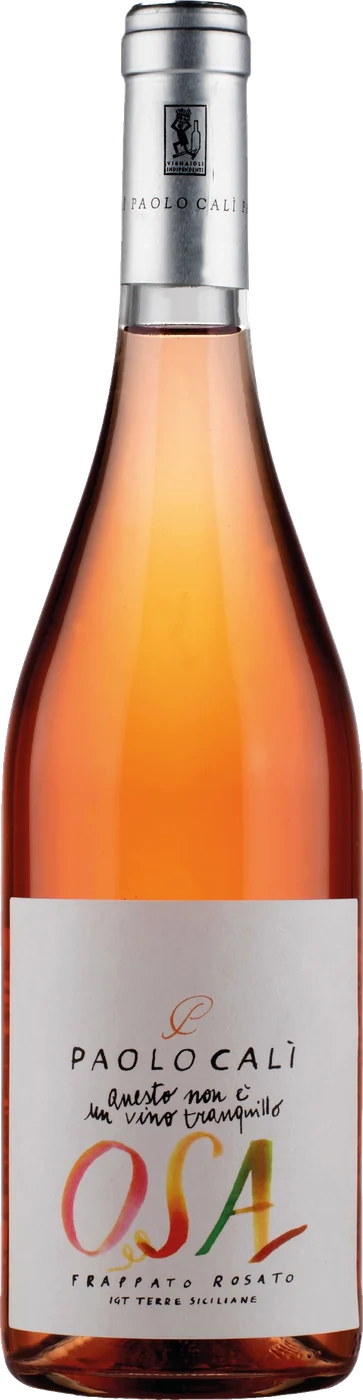
Frappato rosé · IGT Terre Siciliane
Osa! was born in 2008, when I decided to vinify Frappato directly as a rosé, without bleeding juice off a red (the saignée method). The result is a wine I love for its quiet liveliness: delicate, fresh, just slightly pétillant. It is one of those wines that don’t need a special occasion. I picture it at the table with a fish dish, or on a summer evening, when a good glass is all it takes to feel on holiday.
Frappato in pink
With Jazz I allow myself a little freedom: Frappato and Nero d’Avola talk to each other without having to follow the structure of a Cerasuolo.
Red · IGT Terre Siciliane
Frappato and Nero d’Avola meet again in a red free of set patterns, like a good improvisation.
Red · Terre Siciliane IGT